

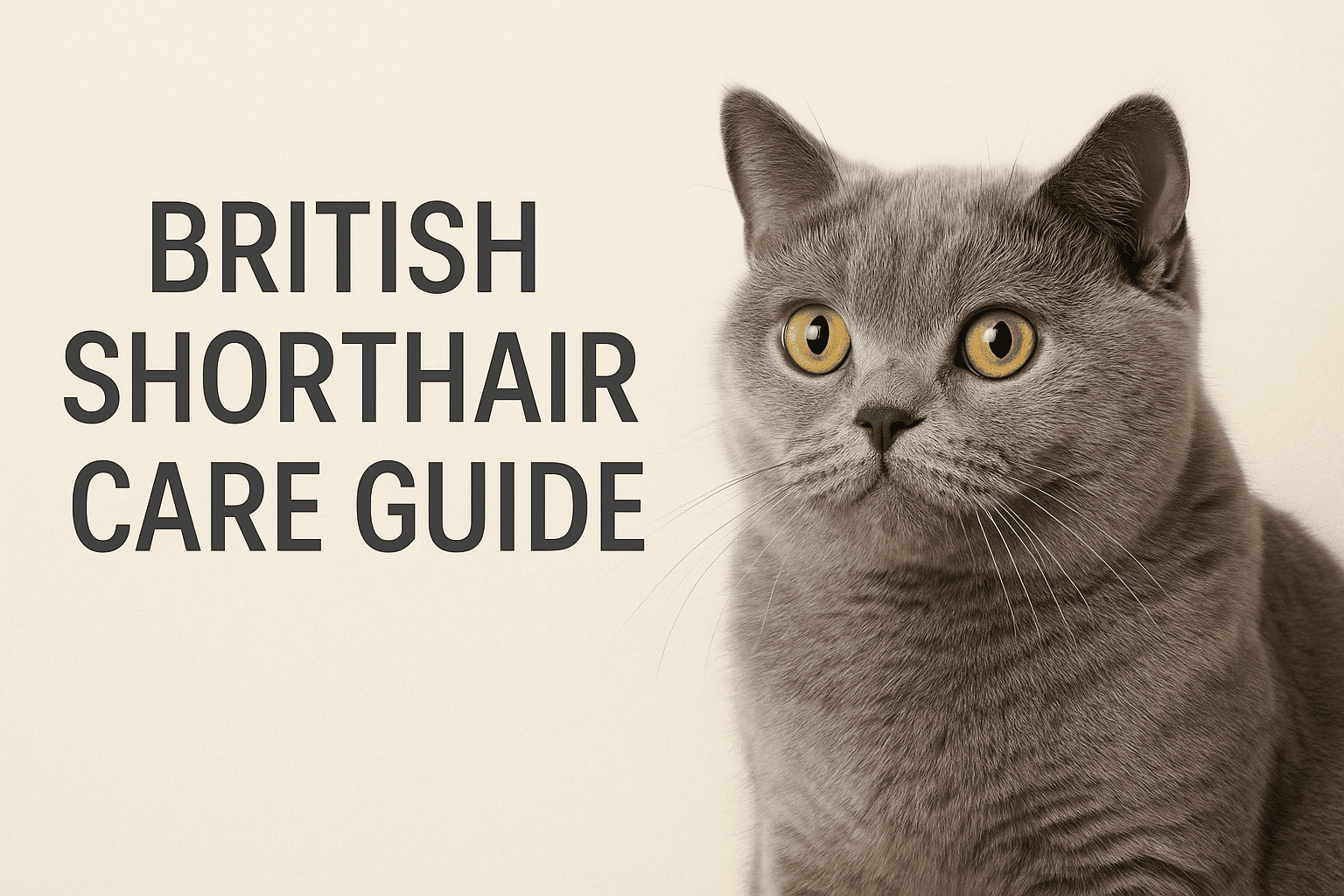
The British Shorthair (BSH) is known for its calm temperament, plush coat, and solid, teddy-bear-like structure. While they are generally considered low-maintenance cats, their dense coat, moderate activity levels, and subtle sensitivities require a consistent, well-planned care routine. Proper care ensures that your British Shorthair remains both comfortable and mentally balanced throughout its life.
Below is a detailed, experience-driven guide focused only on the “care” aspect grooming, hygiene, environment, and daily routines without touching on health, breed history, or nutrition.
Grooming Routine for a Plush, Dense Coat
The hallmark of the British Shorthair is its thick, velvety coat. Although short, the fur has a dense structure that benefits greatly from proper grooming.
Brushing Frequency and Techniques
Despite the short length, the undercoat can trap dust, loose hair, and oils. For an optimal routine:
- Brush 1–2 times a week, increasing to 3 times during seasonal shedding.
- The goal is not only removing loose fur but also redistributing natural oils that keep the coat glossy.
- Suitable tools include a soft slicker brush or a rubber grooming mitt, both gentle enough for their sensitive skin.
From my experience, many BSHs enjoy brushing but have sensitivity near the base of the tail. Using slower, shorter strokes in this area helps maintain their comfort and keeps grooming sessions positive.
Bathing Practices
This breed rarely requires bathing because the coat naturally stays clean.
- Bathe only when visibly dirty or under veterinary guidance.
- After bathing, thorough drying is essential, as the thick coat retains moisture easily.
A helpful alternative is wiping the coat with a slightly damp microfiber cloth. It refreshes the coat without stripping its natural texture.
Eye, Ear, and Nail Maintenance
Eye Cleaning
British Shorthairs occasionally develop mild tear staining, especially as kittens.
- Use a soft cotton pad lightly moistened with saline solution.
- Cleaning daily or every other day prevents discoloration around the eyes and keeps the face tidy.
Ear Hygiene
Their ears generally stay clean, but regular monitoring is key.
- Check weekly for visible debris.
- Gently wipe only the outer ear surface without inserting anything into the canal.
Nail Trimming
Because BSHs tend to be relaxed and not overly active indoors, their nails grow faster than expected.
- Trim every 2–3 weeks for comfort and mobility.
- Encourage natural wear by offering sturdy scratching posts.
Kittens trained early for nail trimming usually become remarkably cooperative as adults.
Oral Care and Dental Hygiene
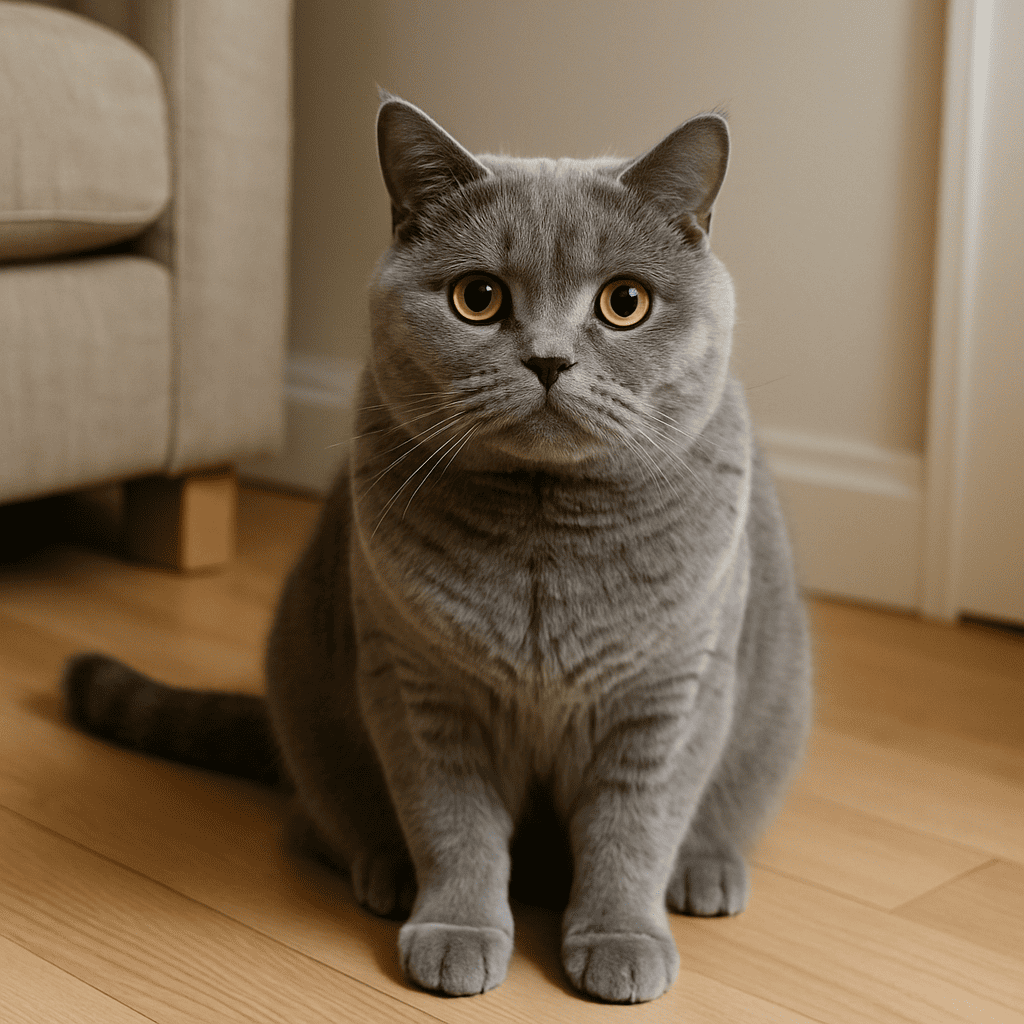
British Shorthairs often benefit from a structured oral care routine because their broad jaws can trap food residues.
- Brush the teeth several times a week using cat-specific toothpaste.
- Complement with dental treats, but don’t rely on them as the main method.
Many owners are surprised to see that BSHs are relatively tolerant of dental care as long as it’s introduced slowly and positively.
Daily Enrichment: Mental and Physical Engagement
Although calm and composed, British Shorthairs still require daily physical and mental stimulation to stay balanced.
Interactive Playtime
Short but consistent play sessions provide significant benefits.
- Aim for 15–30 minutes of interactive play throughout the day.
- Wand toys, feather teasers, and small chase toys help activate their inner hunter.
These sessions also strengthen your bond, which is especially important since BSHs show affection subtly but deeply.
Climbing and Exploration
Even if they rarely behave like acrobatic breeds, BSHs appreciate structured spaces.
- Medium-height cat trees
- Wall-mounted shelves
- Soft tunnels or hideouts
These additions let them choose between observation, play, and quiet rest, which matches perfectly with their self-possessed nature.
Home Environment and Practical Care Routines
Litter Box Arrangement
A clean and comfortable litter box is essential for a British Shorthair’s emotional comfort.
- Opt for a larger box, as their bodies are quite sturdy.
- Scoop daily to prevent odors and preserve their preference for cleanliness.
Many BSHs avoid dirty litter instinctively, so maintaining freshness prevents stress-related behaviors.
Food and Water Bowls
Even though we’re not discussing diet here, the equipment is part of care.
- Use ceramic or stainless steel bowls to prevent bacterial buildup.
- Clean them daily to maintain proper hygiene.
Water fountains are a smart addition, as many BSHs naturally prefer running water.
Routine and Predictability
This breed thrives in consistency.
- Keep grooming, playtime, feeding, and resting schedules predictable.
- Stability brings out their calm and affectionate personality.
British Shorthairs may not always enjoy being held, but they love being near their humans, so giving them shared quiet time each day is one of the most effective forms of care.

