

Coat Care in Persian Cats
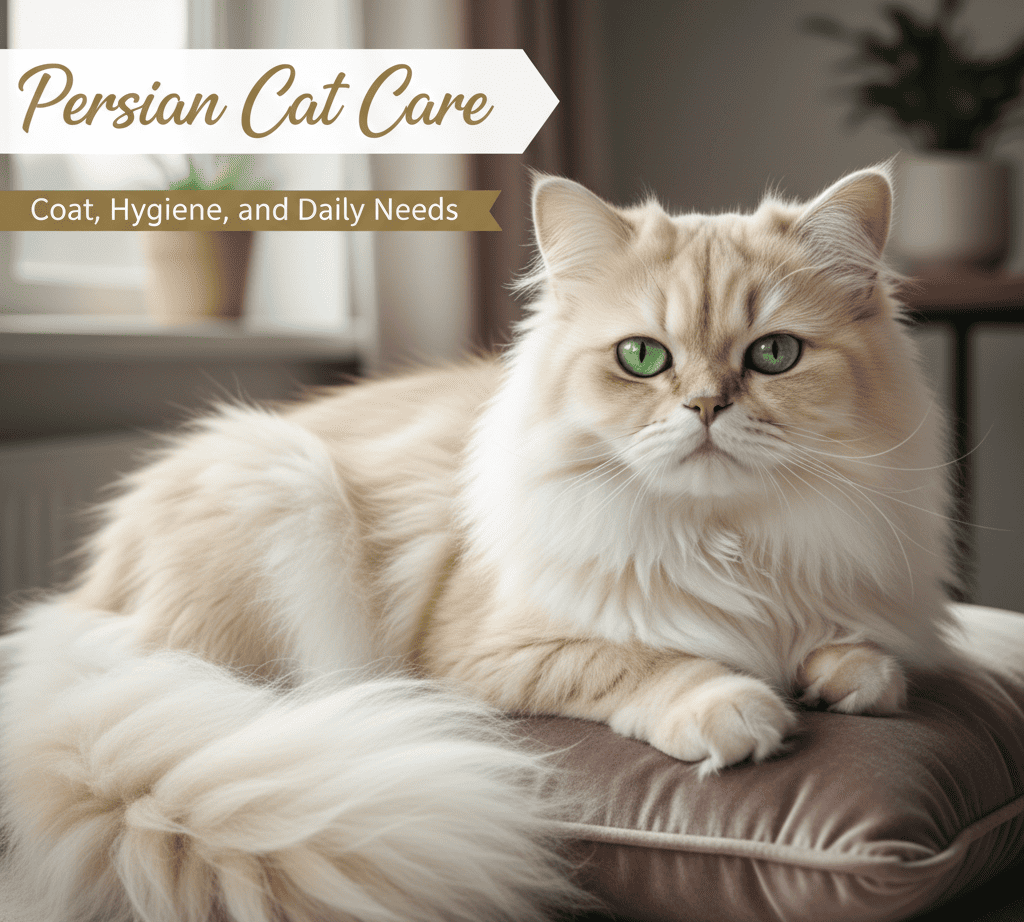
The long and dense coat of Persian cats is both elegant and a feature that requires special attention. For this reason, coat care is one of the most important parts of their daily routine. Regular grooming protects coat health and soothes the skin. Even a short daily brushing reduces shedding, improves skin circulation, and prevents mats. During seasonal transitions, more time should be dedicated to coat maintenance.
Key points to consider:
• Light daily brushing significantly reduces tangling.
• Slicker brushes and metal combs are ideal tools for Persian cats.
• The armpits, belly, and underside of the neck are the areas most prone to matting and require extra attention.
• Increase brushing frequency during seasonal shedding periods.
Eye Cleaning in Persian Cats
Due to their flat facial structure, eye discharge is very common in Persian cats. This is usually not a health problem but a result of their unique anatomy. Without daily cleaning, irritation, redness, and staining may occur around the eyes. Therefore, eye care must be performed regularly and gently.
Important points for eye cleaning:
• Discharge is mostly caused by narrow tear ducts.
• The eye area should be gently wiped daily with a pad moistened with warm water.
• Cat-safe eye cleaning solutions can be used with a veterinarian’s recommendation.
• Human eye products should never be used.
Face and Nose Care
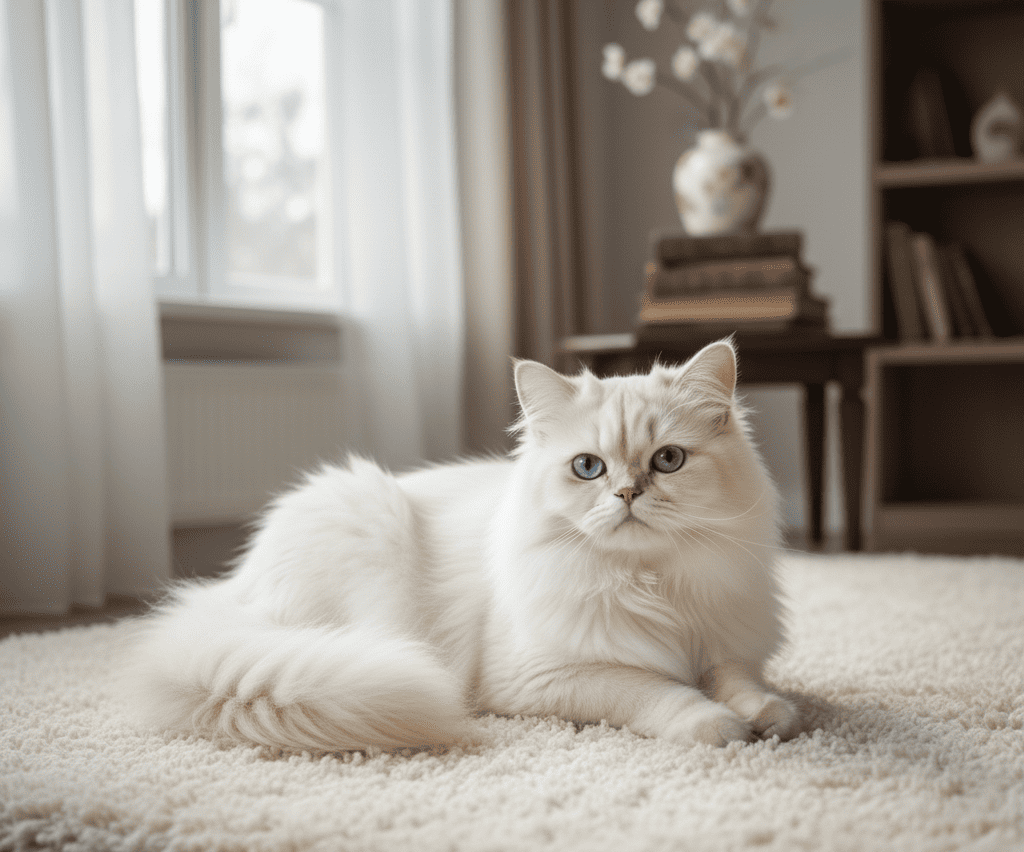
Their flat nose makes Persian cats adorable but also causes the face area to get dirty easily. During eating and drinking, the face can become messy, leading to buildup around the nose. If this buildup is not cleaned regularly, it may cause blockage or difficulty breathing. Therefore, the face and nose area should be checked daily.
Things to consider in face and nose care:
• Gently wipe the face after meals.
• Nasal congestion is common, so maintaining a dust-free environment is important.
• Crusts around the nose can be softened with warm water and cleaned.
• Strong air fresheners or scented cleaning products may make breathing harder.
Ear Care for Persian Cats
The dense coat of Persian cats makes their ears more sensitive. Because of this, wax or dirt buildup can occur more quickly. Regular ear checks help detect infections early and keep ears clean and healthy.
To maintain clean and healthy ears:
• Check the ears once a week.
• A clean ear should appear pink and spotless.
• Liquid ear cleaners formulated for cats are the safest option.
• Cotton swabs should never be used as they may damage the ear canal.
• If there is strong odor, dark discharge, or frequent scratching, a vet should be consulted.
Paw and Nail Care
Because Persian cats have long fur on their paws, debris, litter, and dust can accumulate more frequently. Paw inspection should be part of daily care. Nail maintenance is also important for both the cat’s health and protecting household items.
Important considerations:
• Fur between the paws should be cleaned regularly.
• After using the litter box, check for clumping between the toes.
• Nails generally need trimming every two weeks.
• Use a gentle hold to avoid stressing the cat during trimming.
• Only trim the transparent part of the nail—do not approach the quick.
Litter Box Hygiene
Persian cats are extremely hygienic and quickly become uncomfortable with a dirty litter box. Keeping the litter clean prevents odors and maintains regular toilet habits. Without proper cleaning, they may start using alternative areas.
Key points:
• Scoop clumps daily.
• Replace all litter and wash the box with warm water once a week.
• Wide litter boxes with high sides are more suitable for Persians.
• A clean litter box significantly reduces the cat’s stress level.
Bath Routine for Persian Cats
Persian cats require more frequent bathing compared to other breeds, as their long coats become oily and collect dust more easily. Regular baths keep their fur vibrant and shiny. However, the drying phase is the most critical part; damp fur can mat and cause skin issues.
Bath routine tips:
• A bath every 3–4 weeks is usually sufficient.
• Use shampoos formulated for long-haired cats.
• Ensure the coat is completely dry after the bath.
• A low-heat blow dryer is the safest drying method.
Ideal Home Environment for a Persian Cat
Persian cats prefer quiet and peaceful environments. Noise, sudden movements, or a crowded home can stress this breed. Providing a dedicated resting area ensures both psychological and physical comfort.
Home environment recommendations:
• Calm and quiet spaces are ideal.
• Provide soft beds and secure resting spots.
• The environment should not be too warm; cool, clean air supports coat health.
• Air purifiers can reduce shedding and dust.
• Low-level play areas are sufficient due to their low climbing instinct.
Frequently Asked Questions
Can Persian cats stay home alone?
Yes. Their calm temperament allows them to stay alone, but they enjoy attention when you return.
Do Persian cats shed a lot?
Yes, they do. Due to their dense coat, regular grooming is essential. Daily brushing greatly reduces shedding.
Are Persian cats playful?
They generally prefer calmness. Their energy level is low, but they enjoy short play sessions.
Is eye discharge normal?
Yes. Because of their flat facial structure, eye discharge is common. With regular cleaning, it can be kept under control.
How often should Persian cats be bathed?
A bath every 3–4 weeks is ideal for this breed.
What type of home environment do Persian cats prefer?
A quiet, peaceful, and clean environment is best for their well-being.

