

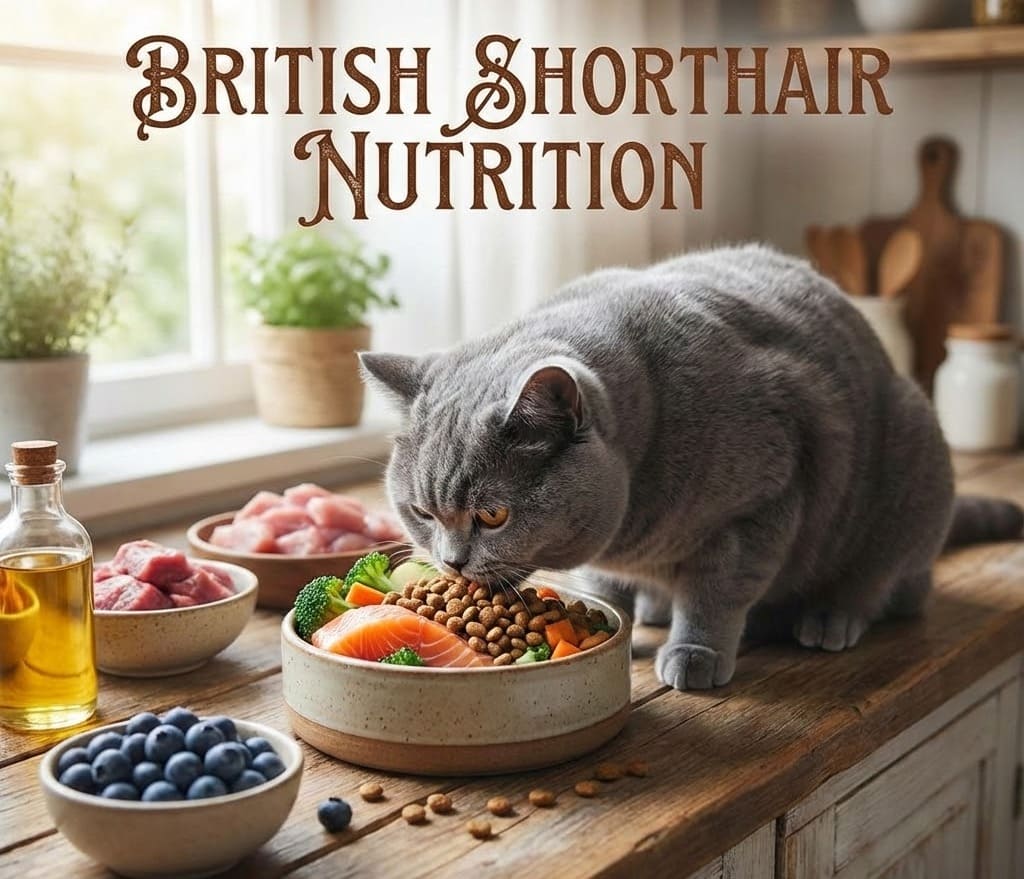
The British Shorthair is a muscular, compact breed that requires a balanced and controlled diet to maintain its healthy physique. Proper nutrition supports muscle structure, coat quality, hydration, and long-term organ health.
Fundamentals of British Shorthair Nutrition
British Shorthairs are obligate carnivores and rely heavily on animal-based protein. Their stocky build and naturally low water intake make nutrient density and moisture especially important.
Essential Nutrients
High-quality animal protein should make up roughly 30–40% of their diet. Healthy fats, particularly omega 3 and 6, support coat and joint health.
Carbohydrates should remain limited, with digestible sources like rice or sweet potato when needed. Taurine and L-carnitine aid in heart health.
Because they drink little water, moisture-rich foods help protect kidney and urinary health
British Shorthair Nutrition by Life Stage
Nutrition needs shift across life stages: kittens require growth-focused diets, adults need weight control, and seniors benefit from easily digestible formulas.
Kitten Stage (0–12 Months)
Kittens grow rapidly and need high-protein, energy-dense food. Softened kibble or wet kitten food supports digestion during weaning. Feeding 3–4 meals daily ensures steady energy and healthy development.
Adult Stage (1–7 Years)
The goal is to maintain lean muscle while preventing excess fat. Most adult BSH cats maintain ideal weight on 180–230 calories per day, split into 2–3 meals. High-protein, low-carb formulas work best.
Senior Stage (7+ Years)
Older cats need easily digestible protein and lower calories. Foods containing glucosamine help with joint stiffness. Moisture-rich diets also support kidney function and help with reduced appetite.
After Neutering
Metabolism slows after neutering, increasing weight gain risk. Free feeding should stop, and wet food intake should increase for better satiety and hydration.
British Shorthair Nutrition by Life Stage
Nutrition needs shift significantly across different life stages. British Shorthair kittens require nutrient-dense, growth-focused diets, adults benefit from balanced formulas that prioritize weight control, and senior cats thrive on easily digestible food that supports aging organs and joints. Adjusting nutrition according to each stage ensures optimal development, healthy weight maintenance, and long-term wellbeing.
Kitten Stage (0–12 Months)
British Shorthair kittens experience rapid bone and muscle development during their first year, making high-quality nutrition essential. They need high-protein, calorie-dense food that can sustain this accelerated growth rate. Softened kibble or wet kitten food is ideal during the weaning period, as it is gentler on the digestive system and encourages consistent eating habits.
Feeding 3–4 small meals per day helps maintain stable energy levels and prevents digestive overload. Because British Shorthairs are stockier than many other breeds, supporting proper skeletal growth is especially important formulas rich in DHA, balanced minerals, and easily digestible proteins contribute to healthy development. Ensuring hydration through moist food also supports kidney health early in life.
Adult Stage (1–7 Years)
During adulthood, the primary goal is to preserve lean muscle while preventing excessive fat gain. British Shorthairs are naturally thick-bodied and gain weight more easily than active breeds, so portion control becomes increasingly important. Most adult BSH cats maintain their ideal weight on 180–230 calories per day, depending on activity level, metabolism, and whether the cat is indoor-only.
Feeding 2–3 structured meals supports a healthy routine and helps prevent overeating. High-protein, low-carbohydrate formulas maintain muscle mass and steady energy without promoting fat storage. Cats at this stage also benefit from consistent hydration wet food or mixed feeding can significantly reduce the risk of urinary problems, which are common in heavier or less active cats.
Senior Stage (7+ Years)
Senior British Shorthairs require a gentler diet that supports aging organs, joint function, and digestive efficiency. As metabolism slows, seniors benefit from lower-calorie but high-quality protein sources, allowing them to maintain muscle without stressing the kidneys or gaining unnecessary weight.
Foods enriched with glucosamine, chondroitin, and omega fatty acids help relieve joint stiffness, a common issue in heavier breeds. Older cats may also experience decreased thirst or appetite, so moisture-rich diets especially wet food help maintain hydration, kidney health, and consistent nutrient intake. Softer textures are often easier for seniors to chew, particularly if dental issues are present.
After Neutering
After neutering, hormonal changes lower metabolic rate and can trigger increased appetite, making weight gain a significant concern for British Shorthairs. Because this breed is already prone to obesity, nutrition must be carefully adjusted post-surgery.
Free feeding should be discontinued immediately, as neutered cats often eat beyond their energy needs. Instead, structured portions help maintain control over calorie intake. Increasing the proportion of wet food not only supports better hydration but also enhances satiety, reducing the risk of overeating. Choosing formulas designed for neutered cats typically lower in calories and fat but still rich in protein helps maintain a balanced body condition throughout adulthood.
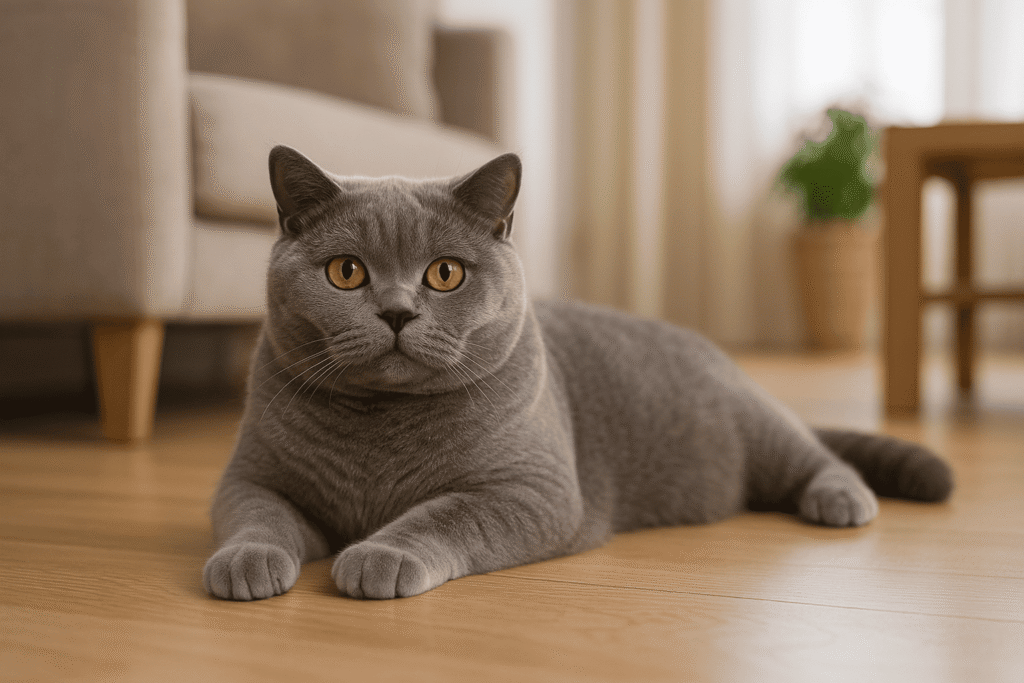
Effects of Different Food Types on British Shorthairs
Wet Food
Wet food is particularly beneficial for British Shorthairs because their natural water intake tends to be low. The high moisture content supports kidney and urinary health, which is crucial for this breed since urinary issues can develop quietly over time. Wet food also helps maintain satiety, meaning cats feel fuller with fewer calories — an advantage for a breed prone to weight gain. Beyond hydration, wet foods often have stronger aromas and softer textures, making them especially helpful for picky eaters, older cats with dental issues, or cats recovering from illness. Although the cost and storage requirements are higher, wet food remains the most well-rounded choice for daily feeding.
Dry Food
Dry food is convenient and long-lasting, making it a popular choice for many owners. British Shorthairs, with their strong jaws, chew large-bite kibble efficiently, which can help reduce tartar buildup. However, the low moisture content requires owners to be more mindful of hydration. While dry food can be part of a healthy diet, relying on it exclusively may increase the risk of urinary problems or chronic dehydration over time. Dry food can still be beneficial when used in moderation, especially as a tool for dental maintenance or as a controlled supplementary meal throughout the day.
Mixed Feeding
Mixed feeding provides the advantages of both wet and dry food. By using wet food as the main meal and dry food as a structured supplement, owners can maintain hydration while still supporting dental health. This approach also brings variety, preventing food boredom — something British Shorthairs occasionally struggle with. Mixed feeding helps with portion control since wet food fills the stomach with fewer calories, while measured dry food prevents overeating. This strategy is often the most practical and healthiest routine for households with indoor, low-activity British Shorthair cats.
Raw Diet
Raw diets appeal to some cat owners due to their “natural” image, but they can be problematic for British Shorthairs. Because this breed is prone to digestive sensitivity, sudden changes in bacteria levels from raw meat may cause gastrointestinal issues. Additionally, maintaining the appropriate calcium-phosphorus ratio is challenging, particularly for growing kittens. Improperly balanced raw diets can lead to bone weakness or long-term organ stress. Unless supervised by a veterinary nutritionist and sourced from controlled, commercial raw products, raw feeding is not recommended for this breed.
Weight Management and Feeding Practices
British Shorthairs gain weight easily, so maintaining a healthy feeding routine is essential for long-term well-being. Their naturally rounded appearance often hides early weight gain, making proactive management even more important.
Portion Control
Portion control is the most effective way to manage weight for this breed. Because British Shorthairs have a calm temperament and may not burn calories as quickly as more active cats, free feeding almost always leads to overeating. Measuring food creates a predictable routine that supports consistent energy levels and prevents slow, unnoticed weight gain. Owners should regularly re-evaluate portion sizes based on seasonal changes, age, and activity level. For overweight cats, reducing portions gradually protects the digestive system and avoids hunger-induced stress.
Ideal Weight Indicators
A British Shorthair at a healthy weight should have ribs that can be felt easily but not seen. A slight waistline, visible when viewed from above, is another reliable indicator. Because this breed carries muscle mass naturally, distinguishing fat from muscle can be tricky for new owners. Regular body condition scoring — ideally every few weeks — helps identify changes early. Sudden weight gain around the abdomen or a swinging belly pouch may signal the beginning of obesity. Keeping short notes or using a pet scale can simplify monitoring and reduce long-term health risks.
Food Transitions
Food transitions should always be gradual for British Shorthairs. Their digestive systems can become upset if new proteins, fat levels, or carbohydrate sources are introduced abruptly. A transition period of 7–10 days is ideal: start with a small amount of the new food and slowly increase its proportion daily. This method supports gut flora adjustment and reduces the risk of diarrhea, vomiting, or appetite loss. Slow transitions also help identify possible food sensitivities before they become serious problems.
Feeding Environment
A comfortable feeding environment allows British Shorthairs to enjoy meals without stress. Their broad cheeks and whiskers make wide, shallow bowls the best choice, preventing whisker fatigue and discomfort. Elevated bowls may also support a more natural eating posture for heavier cats. The feeding area should be quiet, separate from litter boxes, and free from interruptions. A calm space encourages healthier eating habits and prevents fast, anxious eating, which can lead to digestive issues.
British British Shorthair Breed
Weight Management and Feeding Practices
British Shorthairs can easily gain weight, so feeding habits matter as much as food choice.
Portion Control
Free feeding leads to overeating. Daily calories should be measured and split into structured meals. Gradual reduction works best for overweight cats.
Ideal Weight Indicators
Ribs should be felt but not seen. A visible waistline and minimal belly sag indicate good condition. Regular weighing helps track changes early.
Food Transitions
Switching food should take 7–10 days. Slow transitions prevent digestive upset.
Feeding Environment
Wide, shallow bowls suit the breed’s broad face. Stainless steel or ceramic dishes promote better hygiene.
Recommended Brands
Royal Canin British Shorthair is tailored specifically for the breed.
Hill’s Science Diet Kitten is suitable for growing kittens.
For urinary issues, Hill’s c/d and Royal Canin Urinary SO are reliable choices

